Fire safety is a critical part of managing any building, site, or occupied premises. Whether the property is used for commercial, industrial, residential, or public purposes, a proper fire risk assessment helps identify hazards, reduce potential dangers, and protect both people and property. It is not simply a formal requirement in many cases, but an essential step in creating a safer environment for employees, visitors, residents, and contractors who use the space every day.
Why Fire Risk Assessments Matter
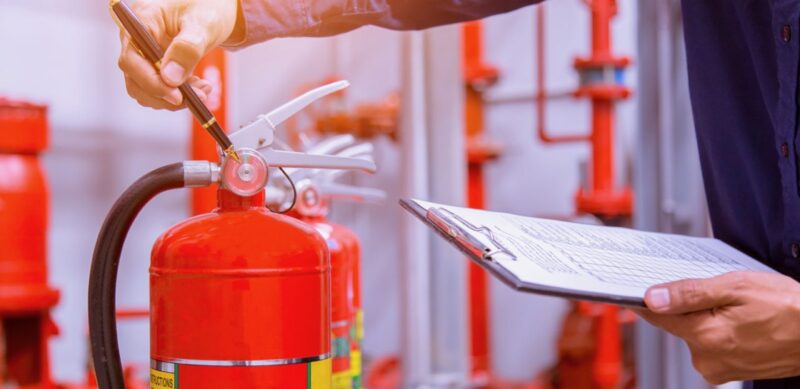
Find out more about fire risk consultant services when you need a clear understanding of potential hazards within a property. Fire risk assessments are designed to evaluate how a fire could start, how it might spread, and what measures are already in place to control the danger. This process helps property owners and managers understand whether their current fire safety precautions are sufficient or whether improvements are needed.
A well prepared assessment looks at ignition sources, flammable materials, escape routes, alarm systems, emergency lighting, and the suitability of firefighting equipment. It also considers the number of people on site and whether there are vulnerable occupants who may require additional support during an evacuation. By reviewing these factors carefully, businesses and property managers can reduce risk and improve their level of preparedness.
Fire Safety in Buildings, Sites and Occupied Premises
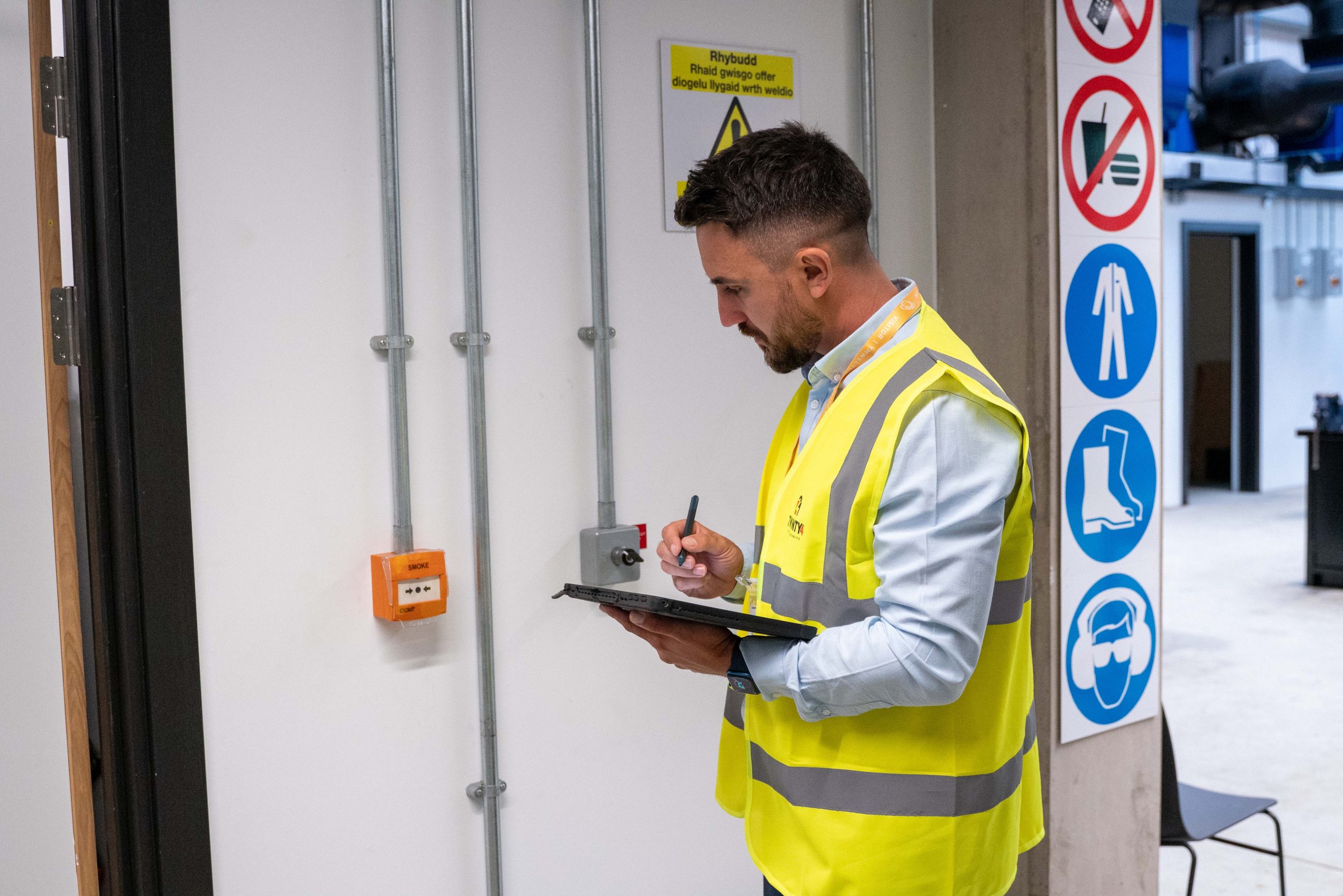
Different types of properties present different fire safety challenges. Office buildings may need clear evacuation procedures and reliable alarm systems, while industrial sites often face higher risks linked to machinery, chemicals, or storage areas. Occupied premises such as residential blocks, care settings, or mixed use buildings require special attention because people may be sleeping, unfamiliar with the layout, or unable to respond quickly in an emergency.
Fire risk assessments help ensure that each environment is reviewed according to its actual use and level of exposure. This is important because a generic approach rarely provides the protection needed in real world conditions. Regular reviews are also valuable when the layout changes, occupancy increases, or new equipment is introduced. Keeping the assessment current supports ongoing compliance and strengthens day to day safety management.
The Value of Professional Fire Risk Guidance
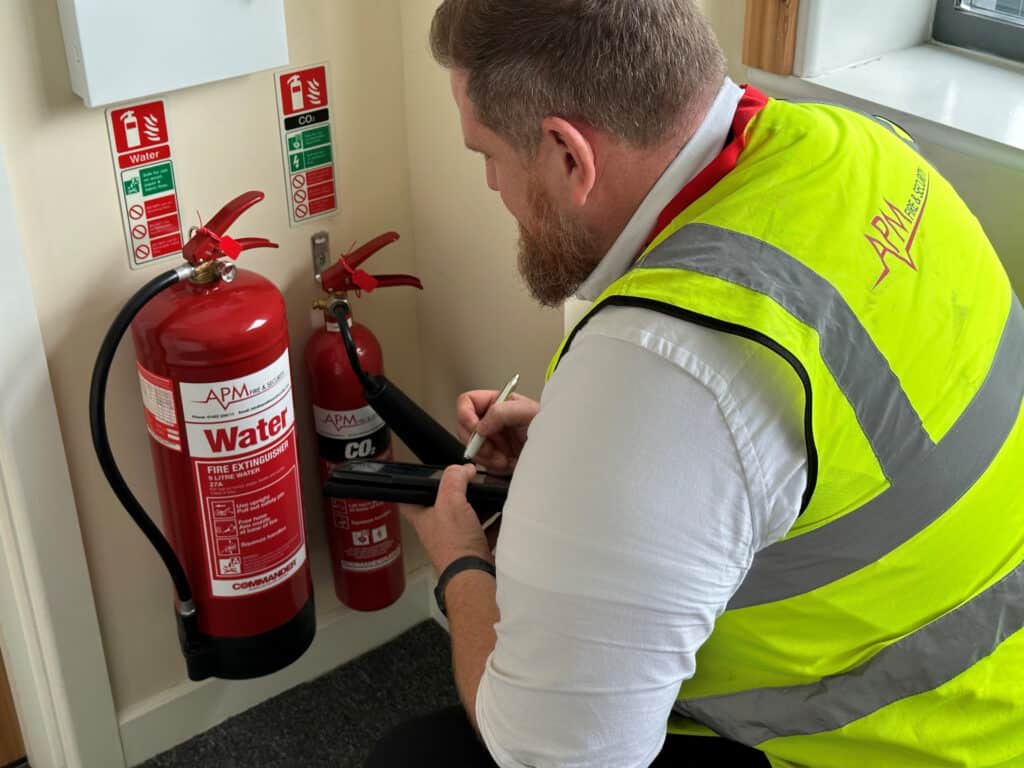
Working with a knowledgeable fire risk professional can make the process more accurate and more effective. An experienced consultant understands how to identify hidden issues, interpret legal responsibilities, and recommend practical improvements that suit the property. This can save time, reduce uncertainty, and help responsible persons take confident action.
Professional guidance is especially useful for larger buildings, higher risk sites, or premises with complex occupancy needs. Instead of relying on assumptions, decision makers receive a structured review that highlights priorities and supports a safer overall strategy. In many cases, expert advice also helps organizations maintain documentation, prepare for inspections, and demonstrate that fire safety is being taken seriously.
Conclusion
Fire risk assessments are an essential part of protecting buildings, sites, and occupied premises from preventable danger. They provide a practical way to identify hazards, improve safety measures, and support the wellbeing of everyone on the property. With the right assessment and expert input, property owners and managers can create safer environments and respond more effectively to fire related risks.